
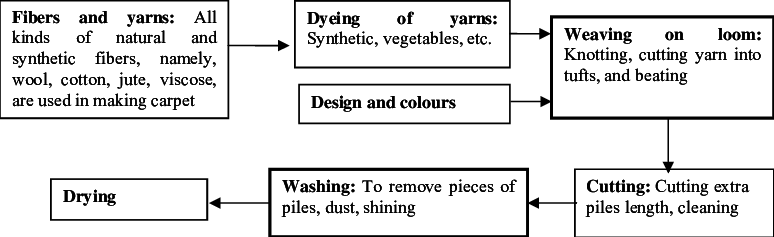
How Carpets Are Manufactured: A Step-by-Step Guide From Yarn to Finished Carpet
Carpets add comfort, beauty, and warmth to homes and commercial spaces. While carpets look simple, the process behind making them is detailed and precise.
In this guide, you will learn how carpets are manufactured step by step, from raw yarn to the final finished carpet. This blog is written in simple language so anyone can understand the full process easily.
Introduction to Carpet Manufacturing
Carpet manufacturing is a mix of textile skill, machinery, and quality control. Each step is important. A small mistake can affect the carpet’s strength, color, or texture.
Modern carpet factories use advanced machines to produce carpets that are strong, attractive, and long-lasting.
Step 1: Choosing the Raw Materials
The process starts with selecting the right yarn material. The yarn decides how soft, strong, and durable the carpet will be.
Common Materials Used in Carpets
- Wool – Natural, soft, and long-lasting
- Nylon – Strong and ideal for heavy use
- Polypropylene – Stain-resistant and affordable
- Polyester – Soft and colorful
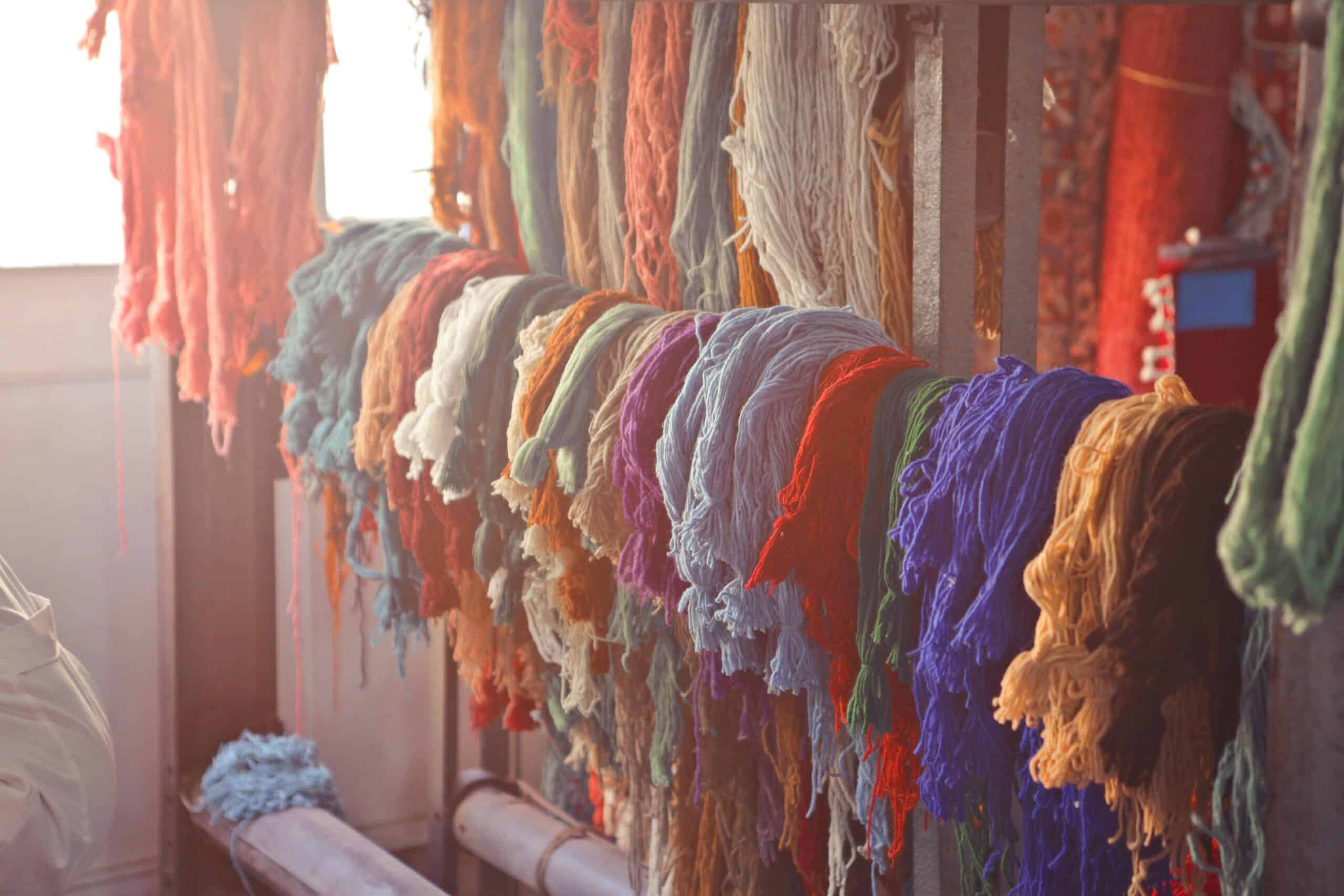
The fibers are cleaned and spun into yarn. The yarn is then prepared for coloring.
Types of Yarn Dyeing
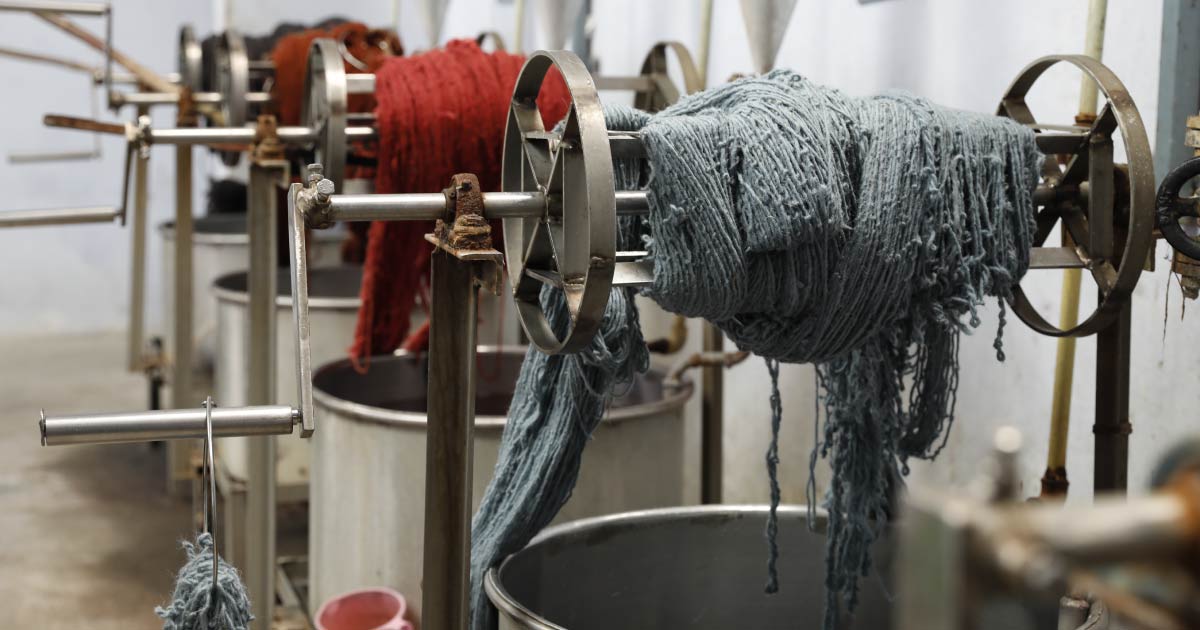
- Solution Dyeing – Color added during fiber production for long-lasting color
- Package Dyeing – Yarn dyed after spinning
- Space Dyeing – Multiple colors applied to a single yarn for patterned effects
Proper dyeing ensures colorfastness, resistance to fading, and uniform appearance.
Step 3: Carpet Construction (Tufting or Weaving)
This is where the carpet begins to take shape.
Tufting Process
Tufting is the most widely used method in modern carpet manufacturing:
- Yarn is punched into a primary backing fabric using needles
- Loops are created and can be left intact or cut for different textures
Weaving Process
Used mainly for premium and traditional carpets:
- Yarns are interlaced on looms
- Produces high-end carpets with intricate designs
Step 4: Adding the Backing System
To strengthen the carpet and secure the yarns, a secondary backing is applied.
Backing Materials Include
- Latex coatings
- Synthetic fabrics
- Natural jute (for traditional carpets)
The backing enhances shape retention, durability, and ease of installation.
Step 5: Cutting, Shearing, and Texturizing
After backing, carpets go through surface finishing processes:
- Shearing trims yarn tips for even height
- Loop cutting creates cut-pile textures
- Brushing and steaming improve softness and appearance
This step defines the carpet’s final texture and comfort level.
Step 6: Printing and Pattern Design
For patterned carpets, advanced printing techniques are used:
- Digital printing
- Screen printing
- Chromojet technology
These methods allow manufacturers to create custom designs, logos, and complex patterns suitable for hotels, offices, and luxury interiors.
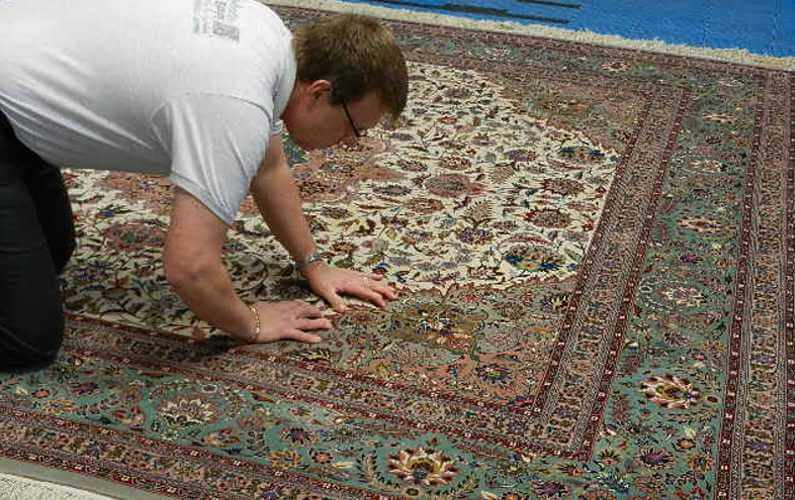
Step 7: Quality Inspection and Testing
Before approval, carpets undergo strict quality control checks, including:
- Color consistency
- Pile height accuracy
- Tensile strength
- Stain and abrasion resistance
Only carpets meeting quality standards move forward.
Step 8: Cutting, Rolling, and Packaging
Finally, carpets are:
- Cut to required sizes
- Rolled carefully to prevent damage
- Packed for transportation and delivery
Proper packaging ensures the carpet reaches customers in perfect condition.
Handmade vs Machine-Made Carpet Manufacturing
| Feature | Handmade Carpets | Machine-Made Carpets |
|---|---|---|
| Production Speed | Slow | Fast |
| Design | Artistic, unique | Consistent, modern |
| Cost | Higher | More affordable |
| Usage | Luxury, decor | Residential & commercial |
Conclusion
The carpet manufacturing process is a blend of craftsmanship, technology, and quality control. From selecting premium yarns to finishing and inspection, every step plays a critical role in producing carpets that are durable, attractive, and functional.
Understanding how carpets are manufactured helps buyers make informed decisions and appreciate the effort behind every finished piece.
Depending on the type, it can take anywhere from a few hours (machine-made) to several weeks (handmade).
Nylon carpets are ideal due to their strength and resilience.
Many manufacturers now use eco-friendly materials and sustainable production methods.
Yes, modern carpet manufacturing allows custom colors, designs, sizes, and textures.
No responses yet